
Table of Contents
ToggleWhether you’re dealing with wildfire smoke, pet allergies, or just want to test-drive an air purifier before committing to a purchase, renting offers flexibility that buying doesn’t. Air purifiers have become more essential than ever, especially as homeowners contend with seasonal air quality issues and indoor pollutants. Renting lets you solve indoor air problems without the upfront cost, installation complexity, or long-term commitment. This guide walks you through finding air purifier rentals near you, what to expect from rental providers, and how to make sure a rented unit actually improves your home’s air quality.
Key Takeaways
- Renting an air purifier near you costs $30–$80 monthly and makes sense for temporary air quality issues, seasonal allergies, or testing before buying without the $400–$2,000 upfront investment.
- Verify filter status, HEPA certification with 200+ CADR rating, maintenance coverage, and return policies before accepting a rental unit to ensure real effectiveness.
- Proper placement (6–12 inches clearance from walls), continuous 8+ hour daily operation, and timely filter replacement maximize the air purifier rental’s ability to improve your home’s air quality.
- For short-term use under 6 months or seasonal needs, air purifier rentals are more cost-effective than purchasing; buying becomes advantageous only for year-round use spanning 3+ years.
Why Rent an Air Purifier Instead of Buying
Buying an air purifier is a real decision. Quality units that handle serious contaminants, HEPA filters, activated carbon, UV-C technology, run anywhere from $300 to $2,000 or more. If you’re unsure whether you need one, renting eliminates the buyer’s remorse before it happens.
Renting makes sense for temporary air quality crises. Wildfire season, construction nearby, or a sick family member all justify short-term air cleaning without a permanent expense. You also skip the research rabbit hole that comes with ownership, filter replacement schedules, maintenance routines, warranty coverage. The rental company handles that.
Seasonal flexibility is another real win. Allergy season might demand a purifier for three months a year. Renting those months costs less than owning a unit that sits unused the rest of the time. Plus, if you move, you don’t haul a bulky appliance across state lines or deal with a secondhand resale.
There’s also the “try before you buy” angle. Rent a unit for a month, see if it makes a difference in your symptoms or air quality tests, then decide if ownership makes sense. No risk, no clutter in your closet.
Finding Air Purifier Rentals Near You
Local Rental Services and Platforms
Start with the obvious: Google “air purifier rental near me.” Most regions have local appliance rental shops, HVAC supply companies, or home improvement centers (like Home Depot or Lowes in some areas) that offer short-term rental programs. Call ahead to confirm availability and ask about delivery, setup, and return logistics.
National platforms like Rent-A-Center sometimes stock air purifiers, though selection varies by location. Party rental companies often have units available for events but sometimes rent to homeowners for a few weeks at a time.
Check Craigslist or Facebook Marketplace for peer-to-peer rentals, though this route requires careful vetting of unit condition and the renter’s reliability. Ask for photos, filter replacement dates, and honest reviews about noise levels or effectiveness.
Air quality services in your area may rent as part of a package deal. If you’re getting an air quality assessment from an HVAC contractor, ask whether they rent units or can recommend a trusted local provider. Services like Molekule and Coway have rental programs in select markets: check their websites for eligibility by zip code.
Don’t skip calling local family-owned appliance shops. They often offer rental services that big-box stores advertise less heavily. Personal relationships with smaller vendors sometimes mean flexibility on rental terms and customer support.
What to Look For in a Rental Provider
A good rental company should deliver a clean, working unit and make it easy to return it. Here’s what separates the professionals from the hassle:
Filter status and transparency. Ask about the filter’s age and condition before accepting delivery. A used filter reduces effectiveness by 20–40% depending on how long it’s been running. Some companies refresh filters monthly: others don’t. Get it in writing.
HEPA certification and coverage capacity. The unit should state its Clean Air Delivery Rate (CADR) for the pollutants you care about, dust, pollen, smoke, odors. A 200+ CADR rating handles most bedrooms and living areas. Match the unit’s coverage (measured in square feet per hour) to your room size. A purifier rated for 300 sq. ft. in a 500 sq. ft. living room won’t keep up.
Maintenance and support. Who replaces filters during your rental? Does the company send a technician, or do you handle it? If you handle it, are replacement filters included, or do you buy them separately? Unclear terms here can kill the savings advantage.
Return and damage policies. Read the fine print. Do you pay for normal wear, or only gross negligence? Can you extend the rental, or are you locked into a set period? Some providers charge restocking fees: others don’t.
Noise level documentation. Decibels matter. A purifier running 24/7 at 65 dB (vacuum cleaner volume) will drive you crazy in a bedroom. Rental companies should disclose actual noise ratings. Online reviews like those on CNET and Digital Trends often test decibel levels for popular models.
Delivery and installation. Does the price include setup, or do you assemble it? How long does delivery take? Can you pick it up instead? More flexibility usually means better value.
Cost Comparison: Renting vs. Buying Air Purifiers
Numbers matter here, so let’s break it down realistically.
Rental costs typically run $30–$80 per month for mid-range HEPA purifiers, depending on the unit’s quality and your location. A 6-month rental costs $180–$480. Annual rental ($360–$960) gets pricey if you use the unit year-round.
Purchase costs for a solid HEPA air purifier start around $400–$600 for well-reviewed models. Premium units with smart controls, app integration, and larger coverage run $800–$2,000. Add annual filter replacement costs ($50–$150) and electricity (~$100–$200/year for 24/7 use).
The math: Rent for 6 months or less, and you save money versus buying. If you’re using a purifier 8+ months annually for 3+ years, buying wins. But if it’s seasonal or temporary, renting is the smarter choice.
Factor in your risk tolerance too. Buying ties up money and counter/floor space. Renting is a no-commitment trial. Good Housekeeping’s product testing includes cost-per-filter and long-term value: check their reviews before deciding whether a specific model is worth buying.
One more consideration: energy consumption. Some purifiers use 30W: others use 100W. Over a year, that’s a real difference in your electric bill. Rental providers should disclose wattage upfront.
Best Practices for Using a Rented Air Purifier
You’ve got the unit. Now make it earn its rent.
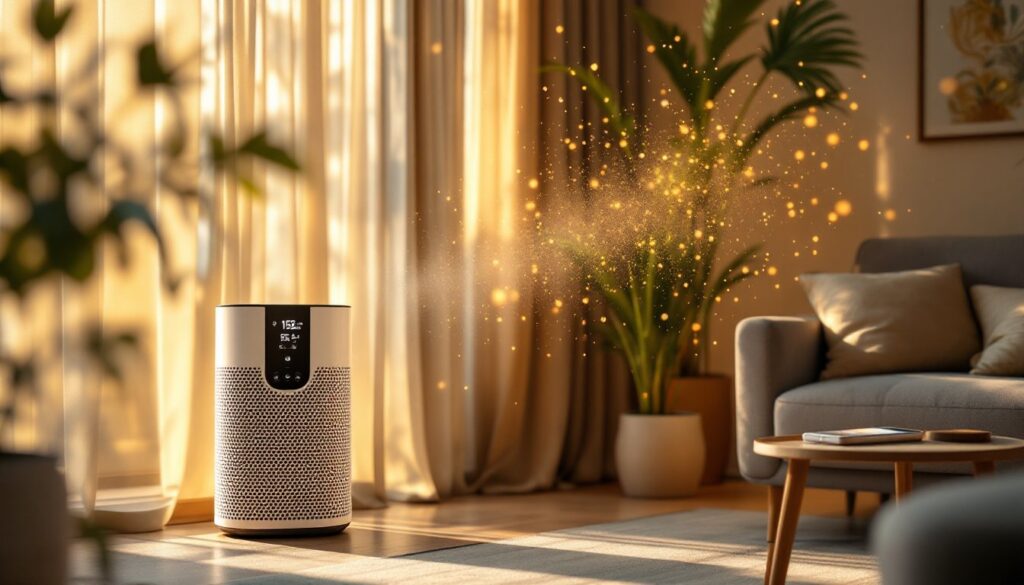
Placement is everything. Put the purifier in the room where you spend the most time or where air quality matters most, a bedroom if allergies wake you up, a living room if pets shed constantly. Avoid corners and tight spaces where airflow gets blocked. Six to twelve inches of clearance on all sides is ideal. Walls and furniture restrict the unit’s ability to pull and recirculate air.
Run it continuously or at least 8+ hours daily. Air purifiers work by cycling room air through filters: they don’t sprinkle magic cleanliness. The longer it runs, the more pollutants it catches. At night, running on a low-noise setting works well. Some units include timers: use them for convenience without sacrificing effectiveness.
Check and replace filters on schedule. A clogged filter is useless. If your rental agreement says filters get changed, confirm it happens. If you’re responsible, don’t assume “I’ll do it later.” Dust builds up: performance drops. Most HEPA filters last 3–6 months depending on your home’s air quality. Ask the company for a maintenance reminder.
Monitor pre-filters when present. Many purifiers have a foam or mesh pre-filter that catches larger particles. Vacuum or rinse it monthly, this extends the HEPA filter’s life and keeps airflow strong.
Don’t expect immediate miracles. A purifier works gradually. If your nose is congested from allergies, relief might take a few days as the unit removes accumulated pollen and dust. Patience pays off: don’t return the unit after 2 days thinking it’s broken.
Keep windows and doors closed. An open window brings in outside air faster than the purifier can clean it. If you want fresh air, crack a window slightly and let the unit handle the rest.
Document the unit’s condition at delivery and return. Take photos of the screen, casing, and filter state. If you’re charged for damage you didn’t cause, evidence protects you.
Conclusion
Air purifier rentals solve real problems without the financial or space commitment of ownership. Whether you’re battling seasonal allergies, wildfire smoke, or just testing the waters, renting is a practical first step. Find a reputable local or national provider, verify filter maintenance is covered, and place the unit where it matters most. Run it consistently, replace filters on time, and you’ll notice fresher air in weeks, not days. If you decide you love it, many rental companies offer rent-to-own deals, money from your rental months counts toward purchase. No commitment upfront, real flexibility, and cleaner air. That’s the rental advantage.