


Table of Contents
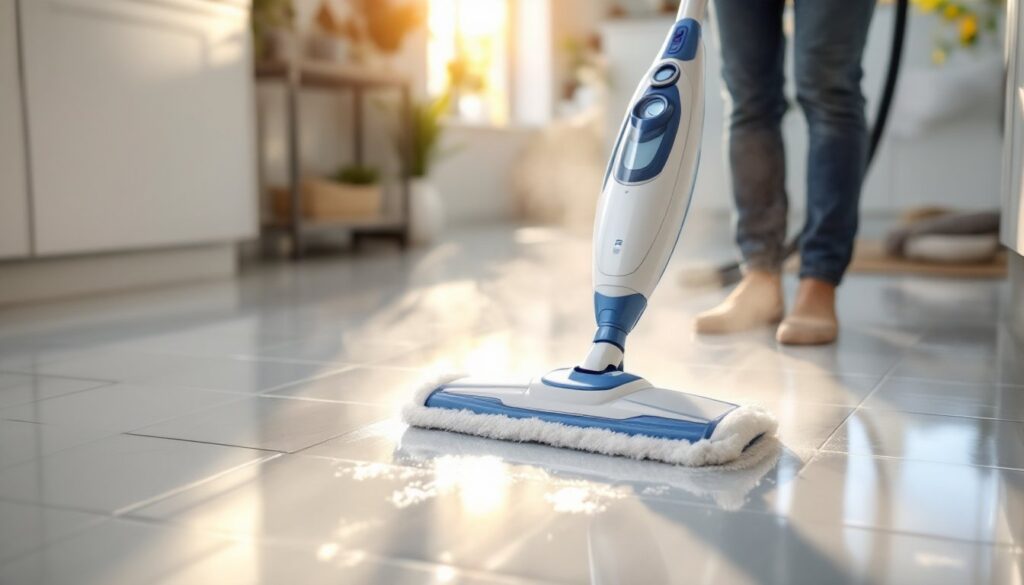
ToggleThinking about tackling grimy tile, stone, or vinyl floors without harsh chemicals? A steam mop might be exactly what you need, but dropping $300 to $700 on one seems wasteful if you’re only dealing with a one-time deep clean or testing the technology first. That’s where steam mop rental comes in. Renting a steam mop lets you get professional-grade cleaning results for a fraction of the cost, with zero long-term storage headaches. This guide walks through why renting makes sense for many homeowners, where to find a rental, what to expect from the agreement, and how to use one effectively to avoid damaging your floors.
Key Takeaways
- Steam mop rental costs $15–$40 per day, making it an affordable alternative to buying a $400–$700 unit, especially for one-time projects or testing before committing to ownership.
- Renting eliminates maintenance responsibilities like descaling, filter replacement, and repair costs, which can run $150–$300 if the heating element fails.
- Find steam mops at Home Depot, Lowe’s, Sunbelt Rentals, local equipment shops, and warehouse stores; always confirm availability, deposit requirements, and damage policies before booking.
- Fill rental steam mops with distilled water only and vacuum floors thoroughly first—tap water causes mineral buildup that damages equipment and voids deposits.
- Renting breaks even against purchasing after approximately 20 rental days; buy a steam mop only if you plan to use it monthly or more for long-term savings.
- Read rental agreements carefully for late fees, deposit amounts ($25–$75), insurance liability, and whether fuel or consumables like distilled water are included in the price.
Why Rent a Steam Mop Instead of Buying One
Buying a steam mop is a significant investment, and unless you’re a serious cleaning enthusiast or run a commercial operation, renting gives you flexibility without commitment. Here’s the practical breakdown.
First, ownership comes with upfront cost and storage. A decent quality steam mop runs $400–$700 new, and you’ll need space to store it, often a closet or garage shelf that might already be cramped. Rental fees typically run $15–$40 per day, which means you can rent for 10–20 days before hitting the purchase price of a mid-range unit.
Second, maintenance and repairs fall on you. Steam mops need regular descaling (to remove mineral deposits from the heating chamber), replacement pads, and water tank cleaning. If the heating element fails, you’re looking at another $150–$300 repair. A rental comes ready to use and the rental company handles maintenance and replacement if something breaks.
Third, steam mop technology evolves. Tank capacity, heating time, and water pressure vary widely between brands and models. Renting lets you try a specific model before committing to ownership, so you’re not stuck with an underperformer.
Renting also makes sense if you have a specific one-time job: post-renovation cleanup, preparing floors for new paint, or deep cleaning before selling. For occasional seasonal deep cleans, renting beats letting an expensive tool gather dust eleven months a year.
Where to Rent a Steam Mop
Steam mops are available at several rental channels, and choosing the right one depends on your timeline, location, and budget.
Big-Box Equipment Rental Centers are your most reliable bet. Home Depot, Lowe’s, and Sunbelt Rentals typically stock multiple steam mop models with daily and weekly rates. These operations inspect equipment before and after rental, so you know the unit works. Call ahead to confirm availability and ask what’s in stock, smaller locations may have limited selection.
Local Rental Shops (sometimes called tool rental centers or party equipment rentals) often have steam mops at competitive rates. They tend to have more flexibility on weekend or extended rentals and may offer discounts for longer-term agreements. Search “equipment rental near me” to find options.
Cleaning Supply Retailers occasionally rent, especially if they also offer commercial cleaning services. These places understand the equipment deeply and often provide expert advice on attachments or settings for your specific floor type.
Grocery and Warehouse Stores like Walmart and Costco partner with rental companies to offer steam mops in some locations. Availability varies by region, but these are convenient if you’re already running errands.
Before booking, confirm pickup and drop-off hours, whether delivery is available, fuel or utility charges, and the damage/cleaning deposit. Most require a credit card and driver’s license. Online booking through company websites often locks in better rates than phone reservations.
What to Expect From a Rental Agreement
Rental agreements for steam mops are straightforward, but reading the fine print saves headaches (and money) later.
Rental Duration and Pricing: Daily rates range from $15–$30: weekly rates (usually 5–7 days) cost $40–$80. Many places charge late fees if you return after the promised time, so mark your calendar and leave buffer time. Confirm whether the rate includes tax and whether there are discounts for longer rentals.
Deposits and Damage Liability: Expect a cleaning or security deposit of $25–$75. You’re responsible for normal wear, but the rental company covers defects. Most contracts specify that excessive dirt, mineral buildup, or obvious damage voids your deposit. Don’t ignore the water tank, if you return a unit with hard-water deposits inside (which damage the heating element), you’ll likely lose part or all of your deposit.
Fuel and Consumables: Some agreements charge extra for distilled water (which you must use to avoid mineral deposits) or replacement cleaning pads. Clarify upfront whether these are included or an add-on. A gallon of distilled water costs $2–$3 retail, so budget accordingly.
Pickup and Delivery: Most rental centers offer free local pickup and drop-off during business hours. After-hours returns may be available (drop boxes), but delivery outside your area typically costs $30–$75. Confirm whether the unit arrives clean and ready to use.
Insurance and Loss: If the unit is stolen or lost, you’re liable for its full value (usually $400–$700). Check whether your homeowner’s insurance covers rental equipment, or ask about optional insurance add-ons (usually $3–$5 per day).
Always take photos of the unit before you leave the rental center and after you return it. This protects you if there’s a dispute about pre-existing damage.
How to Use a Rental Steam Mop Effectively
A rented steam mop isn’t intuitive if you’ve never used one. Mistakes lead to poor results, floor damage, or voided deposits.
Prep Your Floors First: This is non-negotiable. Vacuum or sweep thoroughly, debris and dust clog nozzles and ruin the mop head. If floors are heavily soiled with grease or buildup, mop with a mild pH-neutral cleaner first, let it dry completely, then steam. Moisture and residual soap interact poorly with steam.
Fill the Tank with Distilled Water Only: Tap water contains minerals that accumulate in the heating chamber and block steam output. Most rental agreements require distilled water: neglecting this voids warranties and damages equipment. Buy distilled water ($2–$3 per gallon) before pickup. Plan on 1–2 gallons per 500 square feet.
Let It Heat: Steam mops need 30–90 seconds to build pressure and heat water to operating temperature (typically 200–250°F). Impatience leads to tepid results or weak steam. Wait for the indicator light before moving to floors.
Work Section by Section: Don’t flood the entire floor. Use slow, even strokes and let the steam and mop head do the work. Fast passes miss dirt: slow ones leave excess moisture that can damage wood or compromise grout. On tile with grout lines, use any provided brush attachment to agitate stubborn grime.
Avoid Sealed Wood and Laminate: Steam mops are best for tile, stone, vinyl, and linoleum. Sealed hardwood can warp, and laminate delaminates if exposed to excess moisture. Always test a hidden area first.
After Use: Empty the tank and let the unit cool for 15 minutes before returning. Wipe the mop head with a damp cloth and let it air-dry. Rinse the tank with plain water. Return the unit clean and dry, this protects your deposit and respects the rental company.
Cost Comparison: Renting vs. Buying a Steam Mop
The decision hinges on frequency and your timeline. Let’s break down real numbers.
Rental Costs: One-day rental is $20–$30. A typical deep-clean project takes 4–6 hours, so daily rates work for most homeowners. Three-day weekend rental costs $45–$90. Distilled water adds $5–$10. A one-time rental runs $50–$100 total.
Ownership Costs: A decent mid-range steam mop (brands like Bissell or Shark) costs $400–$600. Add $50–$100 annually for descaling solution, replacement pads, and cleaning supplies. Over five years, you’re looking at $650–$900. If something breaks in year three, add $150–$300 for repair or replacement parts.
According to 2024 steam cleaner rental cost data, the average rental runs $25 per day, so you break even on the purchase price after roughly 20 rental days, about 4–5 years of occasional use.
When Renting Wins: One-time projects, testing the technology, light seasonal use (2–3 times per year), and situations where you lack storage space. If you’re renting more than 10 times annually, buying becomes more economical.
When Buying Wins: Heavy use (monthly or more), commercial cleaning, or serious commitment to floor maintenance. If you own a larger home with mixed flooring types you want to deep-clean regularly, the convenience and total cost-per-use of ownership beats repeated rentals.
Consider your lifestyle. Busy homeowners with occasional cleaning needs should rent. Those who enjoy hands-on home maintenance and deep cleaning projects will likely find ownership worthwhile.
Conclusion
Steam mop rental is a smart, practical choice for one-time projects, seasonal deep cleans, or testing the technology before investing in your own unit. It eliminates storage hassles, maintenance headaches, and the risk of buying a tool you’ll rarely use. Know where to rent locally, read the agreement carefully, and invest those few minutes in proper prep and technique, your floors (and your deposit) will thank you.