




Table of Contents
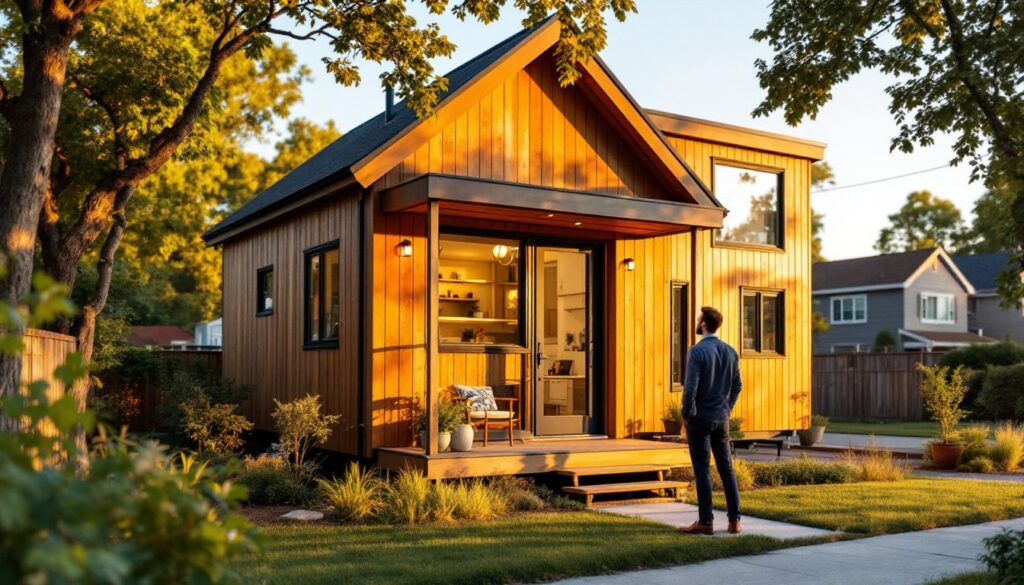
ToggleTiny house rentals have shifted from a niche trend to a practical housing option for people seeking affordability, sustainability, and a simpler lifestyle. Whether you’re downsizing after retirement, cutting housing costs, or testing the tiny living movement before committing to ownership, long-term tiny house rentals offer flexibility that traditional apartments can’t match. The key is knowing where to look, what to evaluate, and how to negotiate terms that work in your favor. This guide walks you through finding, vetting, and securing a long-term tiny house rental near you, covering everything from search strategies to lease negotiation.
Key Takeaways
- Long-term tiny house rentals cost 30–50% less than comparable apartments while offering flexibility, sustainability, and a simpler lifestyle without long-term ownership commitments.
- Specialized platforms like TinyHouseListing.com, Airbnb’s long-term rental filter, and Facebook tiny house communities offer better inventory than mainstream sites when searching for tiny house rentals near you.
- Essential evaluation steps include visiting properties in person, assessing water pressure and utilities, reviewing maintenance history, and having a tenant advocate review lease terms before signing.
- Successful long-term tiny house rental negotiations leverage your stability as a tenant by offering 12–24 month leases in exchange for 5–10% rent discounts or waived deposits.
- Maximize tiny house comfort through vertical storage, multi-functional furniture, strategic lighting, and ruthless possession curation rather than permanent modifications.
- Document all agreements in writing, including maintenance response times, utility coverage, renewal terms, and rent increase caps to protect yourself throughout your lease.
What Makes Tiny House Rentals Ideal for Long-Term Stays
Tiny house rentals aren’t just cheaper: they solve real problems for long-term tenants. A typical tiny house (around 400–600 square feet) costs 30–50% less than a comparable apartment or small house in the same market. You’re paying for what you use, not for empty spare bedrooms or cavernous living areas. Utility bills drop significantly, lower square footage means less heating, cooling, and electricity consumption. Many tiny houses also come pre-furnished or semi-furnished, which cuts moving costs and setup hassle.
From a lifestyle perspective, tiny living forces intentional decisions about possessions and space usage. You’re not distracted by endless square footage to manage or decorate. Community-oriented tiny house communities often foster neighborhood connections that apartment buildings don’t replicate. For remote workers or retirees, a well-designed tiny house rental provides all the functionality of a traditional home in a fraction of the footprint. And unlike buying a tiny house (which carries manufacturing, permitting, and land complications), renting removes the long-term financial and legal commitments.
How to Search for Tiny House Rentals Near You
Finding a long-term tiny house rental requires searching beyond mainstream apartment listings. Standard platforms like Zillow and Apartments.com sometimes list them, but specialized sites cast a wider net. Start by identifying whether you’re searching for a standalone tiny house, a unit in a tiny house community, or a mobile/ADU (accessory dwelling unit) rental, each has different search strategies and availability patterns.
Online Platforms and Listing Sites
Begin with vacation rental tips sites like Airbnb and Vrbo, which now offer dedicated long-term rental filters. Set your search for 28+ days and toggle the “long-term discount” option to see monthly rates. Many tiny house owners use these platforms instead of traditional rental sites. Craigslist remains surprisingly effective for local tiny house rentals, though you’ll need to sift through listings carefully and verify legitimacy. Zillow’s “For Rent” section and HotPads let you filter by property type and square footage. TinyHouseListing.com and TinyHouse.com specifically aggregate tiny house rentals and sales, use these as your primary hunting grounds. Facebook groups dedicated to tiny house living (search “tiny house community” plus your state or region) often feature owners and renters sharing rental opportunities before they hit public listing sites.
Local Resources and Community Networks
Contact tiny house manufacturers and builders in your region, they often maintain waitlists or know of rentals. Many tiny house communities have websites listing available rentals or directing you to leasing offices. Call your local planning or zoning department to ask about registered ADUs and manufactured housing communities: they can point you toward legitimate operators. Visit property management companies that specialize in alternative housing: some manage tiny house communities exclusively. Real estate agents who’ve handled tiny house transactions can connect you with owners renting out units. Dwell publishes articles on tiny house communities and regional trends, which can lead you to clusters of tiny houses in your target area. Don’t overlook local landlords, many own one or two tiny houses and advertise only on community bulletin boards or Nextdoor.
Essential Factors to Evaluate Before Committing to a Long-Term Lease
Before you sign a lease, evaluate structural soundness, livability, and landlord reliability. Visit the property in person, photos lie about space, noise, and finishes. Walk through during different times of day to assess natural light, neighborhood noise, and traffic. Ask the owner or property manager how old the unit is, what materials it’s built from (traditional stick-frame, concrete foundation, trailer), and whether it’s permanently placed or mobile. Permanent foundations and utility hookups indicate stability: mobile units on private land carry higher risk if the land is sold.
Test water pressure, check appliance condition, inspect for mold or damp odors, and verify that all utilities (water, electric, gas, sewer) are functional. Ask about insulation quality and heating/cooling capacity, tiny houses can develop hot spots or cold corners if poorly designed. Request receipts or documentation of maintenance history. Confirm whether the lease covers utilities or if you’re responsible for them separately. Understand the parking situation, waste removal, and any community rules about outdoor space, pets, or vehicles. Ask about the landlord’s response time for maintenance issues and whether there’s a formal maintenance request system. Review the lease terms carefully: notice periods for move-out, renewal options, whether rent increases are capped, and what constitutes lease violations. If the lease is vague or heavily landlord-favorable, have a local tenant advocate review it before signing.
Maximizing Comfort and Functionality in Your Tiny House Rental
Renting a tiny house doesn’t mean sacrificing comfort, strategic choices make small spaces feel larger and more functional. First, understand what you can modify under your lease. Most landlords allow wall-mounted shelving, removable adhesive hooks, and temporary organization systems. Before installing anything, ask in writing. Paint is often negotiable: some landlords allow accent walls or repainting if you restore original colors before move-out. Avoid permanent changes like built-ins or structural modifications.
Maximize vertical storage with wall-mounted cabinets, pegboards, and hanging organizers. Multi-functional furniture, ottomans with storage, murphy desks, or nesting tables, doubles your usable space. Good lighting transforms a cramped-feeling room: swap out dim overhead fixtures for brighter LED bulbs (with landlord permission) or add plug-in floor lamps. Mirrors and light colors on walls reflect light and create an airy feel. In the kitchen, every inch counts: use magnetic strips for knives, corner carousels for cabinet storage, and vertical dividers for sheet pans. Design resources like Curbed’s home tours often feature tiny house solutions worth adapting.
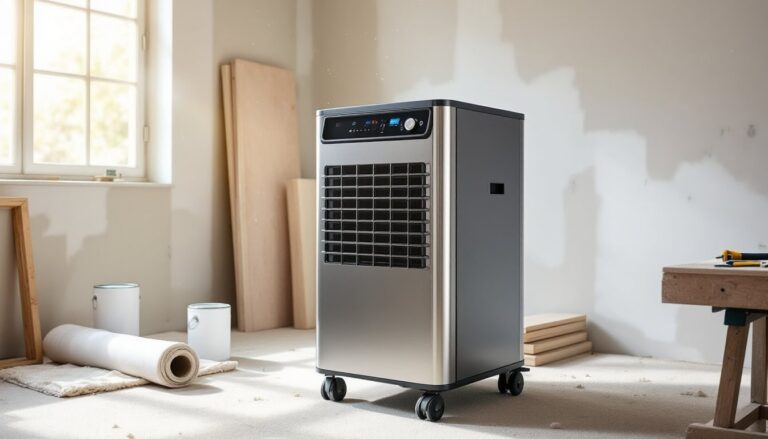
Temperature control matters in small spaces, consider a programmable thermostat (if rental permits) or a portable space heater for cold months. Insulated curtains reduce heating/cooling load. For moisture-prone areas like bathrooms, a small dehumidifier prevents mold growth. Rugs define spaces and add warmth underfoot. Finally, ruthlessly curate possessions: tiny house living rewards minimalism. Rent storage space for seasonal items if needed, but resist the urge to keep things “just in case”, clutter erases any comfort gains.
Negotiating Lease Terms and Getting the Best Deal
Long-term tiny house rentals favor negotiation, you’re a stable, low-maintenance tenant if the landlord believes you’ll stay 12+ months. Start by understanding local market rates. Search comparable rentals in the area and note amenities, square footage, and included utilities. Use that data to ground your negotiations. If a unit is listed at $1,200 monthly but utilities aren’t included and similar properties nearby include them, that’s your opening point for discussion.
Offer stability as leverage. Tell the landlord you’re seeking a long-term rental and willing to sign a 12–24 month lease. Request a 5–10% discount in exchange for the extended commitment and reduced turnover costs. If rent includes utilities, ask whether water and trash are included or separate: negotiating utility caps protects you from surprise bills. Request a move-in discount (waived deposit or first month free) if the unit has been vacant for weeks. If you’re relocating for work, mention that, employers sometimes verify rental stability, and landlords value employed tenants.
Get everything in writing. Don’t rely on verbal promises about repairs, move-in costs, or pet policies. Clarify whether you pay for maintenance under $100 or if the landlord covers everything. Include renewal terms, do you renew at the same rate, or does rent increase annually (and by how much)? Define your move-out date and notice period clearly. If the lease template is landlord-heavy, suggest minor modifications: a maintenance response time (e.g., “emergency repairs within 24 hours”), a cap on annual rent increases, or a right to break the lease if the property becomes uninhabitable. Use short-term rental tips from platforms like Airbnb as reference, professional landlords understand that treating tenants well reduces vacancy and turnover costs. Be professional, ask respectful questions, and recognize when the landlord isn’t flexible: sometimes the best deal is knowing when to walk away.