



Table of Contents
ToggleRenting a commercial carpet cleaner is one of the smartest moves a homeowner can make when tackling larger spaces or heavily soiled carpet. Unlike consumer-grade machines that sit dormant in garage corners, commercial-grade equipment delivers deeper extraction and faster drying, which matters whether you’re refreshing multiple rooms, preparing a rental property, or addressing stubborn stains that home spot cleaners can’t touch. This guide walks you through what’s available, how to choose the right machine, what to expect to pay, and how to operate the equipment without common rental mishaps.
Key Takeaways
- Commercial carpet cleaner rental costs $40–$100 per day for portable units and $300–$800 for truck-mounted services, saving homeowners roughly 50% compared to professional cleaning services.
- Portable extraction units are ideal for residential homes, handling up to 1,500 square feet in 4–6 hours and fitting easily into tight spaces and multi-story layouts without special parking requirements.
- Pre-cleaning preparation, including thorough vacuuming and stain pre-treatment, is essential for effective results and prevents the need to re-clean problem areas.
- Proper operation technique—overlapping passes by 6–12 inches, moving slowly, and avoiding oversaturation—ensures faster drying (4–8 hours) and eliminates mildew risk.
- Renting a commercial carpet cleaner makes financial and practical sense for cleaning over 500 square feet, addressing pet stains, or preparing rental properties between tenants.
What Is A Commercial Carpet Cleaner and Why Rent One?
A commercial carpet cleaner is a high-powered hot water extraction system designed for heavy-duty, professional-grade cleaning. Unlike upright or small portable units you’d buy retail, these machines generate significantly more suction, heat, and cleaning solution output. They remove embedded dirt, pet dander, and stains that lighter equipment simply can’t lift.
Renting makes sense if you’re cleaning more than 500 square feet of carpet, dealing with pet accidents or smoke damage, or preparing rental property between tenants. A typical homeowner spends $200–$600 on a rental, whereas hiring a professional service often costs $800–$2,500 for the same job. If you have the time and physical capability, a rental cuts your costs roughly in half.
These machines also dry faster than consumer models, often 4–6 hours versus overnight or longer. That speed reduces mold risk and gets your household back to normal faster. The trade-off is that they’re heavier, noisier, and require more care during operation. You’ll need basic strength to maneuver the hose and some attention to fluid levels and settings.
Types of Commercial Carpet Cleaners Available for Rent
Understanding the two main rental categories helps you pick the right tool for your space and access. Each has distinct advantages depending on your room layout, stairs, and vehicle capacity.
Truck-Mounted Systems
A truck-mounted system parks outside your home: you run a long hose through a window or door to the carpet. The cleaning unit stays in the truck, powered by the vehicle’s engine. These deliver the most power, heating water to 200°F+ and generating serious suction for deep extraction.
Advantages: superior heat and vacuum strength, faster drying, handles large areas efficiently. The downside is access, you need parking close to entry points and clear hose runs without kinks. Stairs, second-floor rooms, or properties with narrow hallways become logistical puzzles. Also, not all rental companies offer mobile services: you’ll typically hire a service that operates the truck rather than rent the truck itself.
Portable Extraction Units
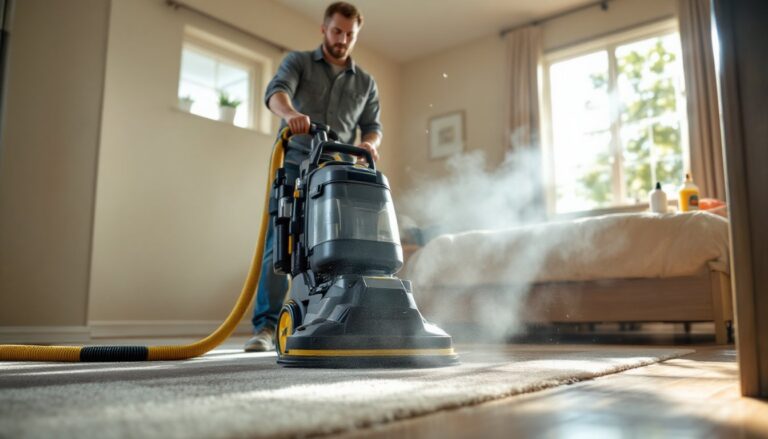
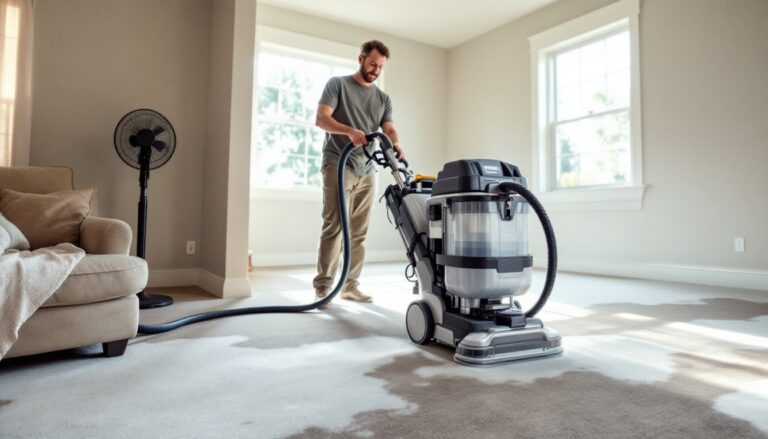
Portable extraction machines look like large suitcase vacuums or rolling tanks. You fill an onboard tank with hot water and cleaning agent, push or roll it to each room, and operate a hand wand for spot cleaning or larger floor passes. They’re far lighter than truck-mounted systems (100–200 lbs) and much easier to navigate stairs and tight spaces.
They won’t match truck-mounted power, but mid-range rentals are surprisingly effective for residential work. Many homeowners find them sufficient for general deep cleaning or problem areas. Cost is typically lower ($40–$80 per day versus $200+ for truck service), and you control the entire process, no appointment scheduling or standing around while someone else works.
How to Choose the Right Rental for Your Project
Start with honest math: total square footage times typical cleaning time. A portable unit might need 4–6 hours for 1,500 square feet: truck-mounted systems handle the same area in 1–2 hours. If you’re a hobbyist with one weekend, portable may be smarter. If you’ve got multiple properties or severe contamination, truck-mounted (or hiring a pro) pays dividends.
Consider carpet type and condition. Thick, looped residential carpet cleans well with portable units. Berber or high-traffic commercial carpet sometimes needs the extra power of truck-mounted extraction. If you have significant water damage, odor, or suspected mold, stepping up to a professional-grade truck service is worth the extra cost.
Access and storage matter too. Do you have a place to park a large truck? Can you route a 100+ foot hose without dragging it through landscaping or sharp corners (which pinch hoses and reduce pressure)? Portable units fit in a garage or van and handle multi-story homes much better.
Ask the rental agency about HEPA filtration, pressure settings, and tank capacity. Larger tanks mean fewer refills. Adjustable pressure prevents overwetting delicate fabrics. Rental staff should explain these basics without upselling: if they can’t, find another shop.
Rental Cost Expectations and Where to Find Equipment
Portable carpet cleaners rent for $40–$100 per day at home improvement stores, equipment rental shops, and carpet retailers. A weekend rental (Friday to Sunday) typically costs slightly less per day. According to data on carpet cleaning costs, DIY carpet cleaning with a rental saves significant money compared to professional services, especially for larger areas.
Truck-mounted systems or professional-operator services range $300–$800 depending on square footage, travel distance, and local labor rates. Regional variation is real, rural areas or areas with fewer competitors charge more.
Where to rent: Home Depot, Lowe’s, and Sunbelt Rentals usually stock portable units. Local equipment rental yards often have better deals and more variety. Some carpet retailers (like larger chains) rent machines too. Call ahead to confirm availability, especially weekends. Damage deposits ($100–$300) and cleaning/restocking fees apply if you return the machine dirty.
When budgeting, factor in cleaning solution cost (typically $30–$80 per gallon or pre-measured packets). Some rentals include solution: others don’t. Ask. Also confirm whether the rental price includes delivery setup or if you pick it up yourself.
Tips for Operating Rented Commercial Carpet Cleaners
Before you bring the machine home, spend 10 minutes with the rental staff learning the controls. Most portable units have a simple fill-drain system, a hose inlet, and a wand with trigger activation. Don’t wing it on your own.
Pre-cleaning prep is half the job. Vacuum thoroughly first, loose dirt clogs the machine and reduces effectiveness. Move small furniture or items blocking access. Identify stains and pre-treat them with a commercial carpet pre-spray 15–30 minutes before extraction. This step alone prevents redoing problem areas.
When running the machine, overlap your passes by 6–12 inches to avoid streaking. Move slowly (about 1 foot per second) on the push stroke and faster on the pull-back. The goal is saturation and extraction, not speed. Don’t oversaturate, excess water extends drying time and risks mildew. Many DIYers err on the side of too much water: a light touch works better.
For stairs and tight spaces, the hand wand is your friend. Use it for spot cleaning high-traffic areas and edges. A few firm passes with the wand extract water better than multiple light ones.
Safety and cleanup: Wear eye protection and gloves during operation. The discharge water is dirty and hot. Let the machine run 15–20 minutes after your last pass to clear internal lines, reducing odor and mildew risk in the hose. Return the machine clean, rinse the tank and wand thoroughly. Rental shops charge steep cleaning fees if you skip this step.
Drying typically takes 4–8 hours, depending on humidity and air circulation. Open windows, run ceiling fans, and avoid walking on wet carpet during this time. Turn on the heat to speed drying (counterintuitively, humidity matters more than temperature: a dehumidifier in humid climates is worth renting too).