



Table of Contents
ToggleRental carpet cleaners have become the go-to solution for homeowners tackling stubborn stains, pet accidents, or preparing for a move. Instead of spending $500 or more on professional cleaning services, you can rent a heavy-duty machine for a fraction of the cost and handle the job yourself. Whether you’re dealing with years of buildup in a living room or cleaning up after a spill disaster, understanding how to rent, operate, and maintain a carpet cleaner will save you money and restore your floors faster than you’d expect. This guide walks you through the rental process, what to expect on installation day, and how to get professional-grade results on a DIY budget.
Key Takeaways
- Renting a carpet rental cleaner costs $30–$60 per day for upright models, saving hundreds compared to professional cleaning services while delivering professional-grade results.
- A thorough vacuum, proper water-to-solution ratio, and slow overlapping passes are essential to avoid common mistakes like oversaturation that can cause mold and extend drying time.
- Choose an upright extraction cleaner for large areas over 500 square feet or a portable spot cleaner for stairs and furniture, with availability at Home Depot, Lowe’s, and local rental shops.
- Prepare your space by pre-treating stains with spot treatment or vinegar solution, then operate the machine by working backward from the farthest corner while squeezing the trigger slowly.
- Return the machine in clean condition with drained tanks to avoid $25–$50 cleaning fees and ensure your full damage deposit refund.
Understanding Carpet Rental Cleaners and Your Options
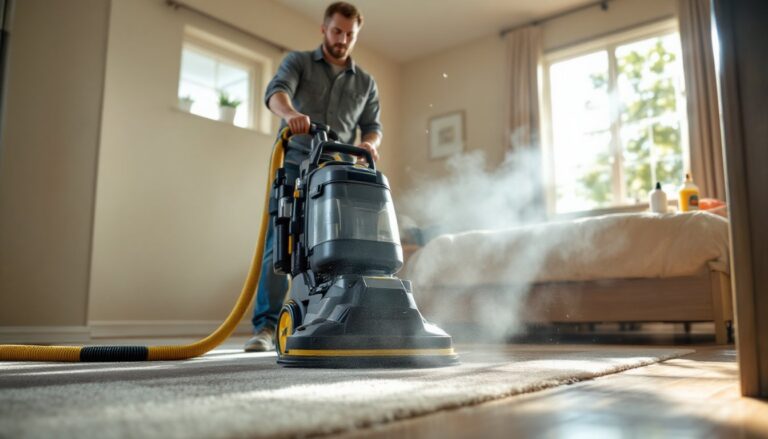
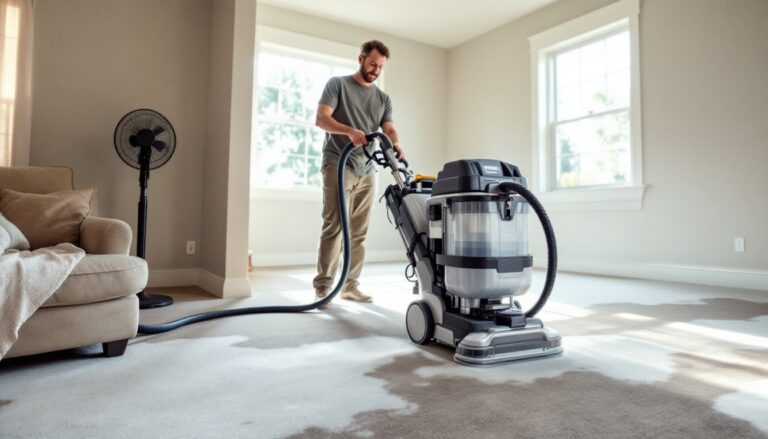
A carpet rental cleaner is a motorized extraction machine that sprays hot water and cleaning solution into carpet fibers, then sucks the moisture back out along with dirt, stains, and odors. The machines you’ll rent are roughly the size of an upright vacuum but considerably heavier, typically 40 to 80 pounds, and pack enough suction power to pull water deep from the carpet pile and backing. Unlike an at-home carpet cleaning, rental equipment mimics professional-grade machines without the contractor markup.
Most rental cleaners come with basic attachments: a wide floor cleaning head, a handheld spray wand for stairs and spot cleaning, and sometimes upholstery tools. The water tank holds hot water and solution: you fill it from a household faucet. The recovery tank collects dirty water that gets emptied into a sink or outdoor drain.
Types of Rental Carpet Cleaners Available
The two main categories are upright extraction cleaners and portable spot cleaners. Upright models are the standard rental, they clean large floor areas quickly and efficiently. Portable units are smaller, lighter, and better for stairs, furniture, or apartments where you need maneuverability. If you’re cleaning more than 500 square feet, an upright saves time. For targeted stains or small spaces, a portable works just fine.
Some rental shops also offer truck-mounted systems, but these require professional installation and aren’t typical for homeowner rentals. Stick with extraction cleaners unless you’re running a professional cleaning side business. A few rental locations carry heated extraction models that maintain hot water throughout the job, worth asking about if you’re tackling set-in stains or pet damage.
Where To Rent a Carpet Cleaner
Home improvement chains like Home Depot, Lowe’s, and Ace Hardware all stock rental carpet cleaners at their locations. Call ahead to confirm availability, especially on weekends when demand peaks. Most stores allow online reservations, so you can lock in your machine before you arrive.
Local equipment rental shops often carry multiple models and brands, giving you more choice on machine type and size. Ask whether they stock newer machines, older equipment tends to have weaker motors and can leave carpet wetter than necessary. National chains like United Rentals and Sunbelt Rentals have numerous locations and competitive pricing.
Before committing, ask these questions: Does the rental include delivery, or do you pick up? What’s the damage deposit? Are cleaning solution and spot treatments included, or do you buy those separately? Some locations offer discounts for 24-hour or multi-day rentals, which is worth exploring if you have a large home. Check that the rental location is open when you plan to return the equipment, some close early on Sundays.
How Much Does It Cost To Rent a Carpet Cleaner?
Rental costs typically range from $30 to $60 per day for an upright extraction cleaner, with daily rates usually cheaper on multi-day rentals. A 24-hour rental averages $40 to $50. Portable spot cleaners run $15 to $30 per day. If you’re renting near a major metropolitan area, expect the higher end: rural locations may run 10–15% cheaper.
Most rental shops charge a damage deposit of $100 to $300, refundable if you return the machine in clean condition with all attachments. Some add fees for cleaning solution ($10–$15) or pickup/delivery ($25–$50). A few locations bundle solution and basic instructions into the rental price, so confirm what’s included before finalizing.
But, understanding how carpet cleaners work and following manufacturer guidelines will help you avoid damage fees. Most deposit refunds are straightforward if you drain the tanks and rinse the brush head before returning. Ask the rental clerk to walk you through a quick demo of the drain and fill process before you leave the shop.
Step-by-Step Guide To Using Your Rental Cleaner
Preparation: Before bringing the machine home, vacuum thoroughly. Dirt and debris clog the brush head and reduce cleaning power. Move furniture to the edges of the room and pre-treat obvious stains with a spot treatment or a mild mixture of water and white vinegar. Let spot treatment sit for 10 to 15 minutes, this loosens stains and makes them easier for the machine to extract.
Water and Solution: Fill the hot water tank with hot (not boiling) tap water and add the recommended amount of cleaning solution. Use only solutions approved for rental extraction cleaners: detergent and shampoo can create excessive foam and damage the motor. Most instruction manuals specify the exact ratio, overfilling with solution doesn’t clean better and wastes product.
Operating the Machine: Start in the farthest corner and work backward toward the exit, moving slowly (about 3 to 4 feet per second) to allow the brush to agitate and extract properly. Squeeze the trigger to spray solution, then slowly reverse to pick up the dirty water. Make overlapping passes, a second pass over an area removes more water and improves drying time. Stairs and corners require the handheld wand: spray lightly and hold the suction button longer to extract moisture without oversaturating.
Drying: Crack windows and run ceiling fans to speed drying. Carpet usually dries within 4 to 8 hours, depending on humidity and pile height. Heavy foot traffic immediately after cleaning can re-soil carpet, so keep people off freshly cleaned areas for at least a few hours. If the carpet still feels damp the next morning, rent a dehumidifier or open windows wider.
Money-Saving Tips and Common Mistakes To Avoid
Rent during off-peak hours. Tuesday through Thursday mornings often have lower demand and sometimes offer slight discounts. Avoid holiday weekends and Friday afternoons when walk-in traffic is heavy.
Buy your own solution. Generic extraction cleaner costs $5–$10 per bottle and works as well as rental-shop brands costing twice as much. Brands you find at grocery stores, not specialized industrial cleaners, work fine for household use.
Don’t oversaturate the carpet. A common mistake is soaking the carpet thinking more water equals cleaner results. Excess moisture leads to mildew, mold, and slower drying. One or two slow passes per area is sufficient: a third pass removes water without adding cleaning benefit.
Check your vacuum first. If your home vacuum is clogged or broken, the pre-cleaning step suffers. A quick pass with a rental shop’s vacuum (some offer this for $5) or borrowing a neighbor’s unit prevents dirt from being ground deeper into fibers.
Return the machine in clean condition. Rinse the brush head, drain both tanks, and leave the recovery tank open so it dries overnight. Returning a dirty machine may result in a cleaning fee ($25–$50) deducted from your deposit. The rental clerk will inspect the machine within minutes of return.
Conclusion
Renting a carpet cleaner is a practical, affordable way to refresh your home’s floors without contractor costs. By choosing the right machine for your space, following the rental shop’s maintenance steps, and avoiding common mistakes like oversaturation, you’ll get results that rival professional service. Most homeowners finish a typical living room in 2 to 3 hours and see dry, fresh carpet by the next morning. Plan your rental in advance, reserve online if possible, and don’t hesitate to ask the rental staff questions, they handle dozens of renters weekly and can offer tips specific to your carpet type and water hardness.