



Table of Contents
ToggleTired of looking at carpet stains that regular vacuuming won’t touch? An industrial carpet cleaner rental might be exactly what you need. These powerful machines extract deep-set dirt, pet stains, and odors that household vacuums can’t reach, and renting one costs a fraction of hiring a professional service. Whether you’re refreshing your living room before guests arrive or tackling stubborn stains in your home office, understanding how to rent and use an industrial carpet cleaner puts a professional-grade project in your hands. This guide walks you through everything from sizing up the right machine to mastering the technique so you get results that rival the pros.
Key Takeaways
- Industrial carpet cleaner rentals cost $60–$180 per day and deliver professional-grade results at a fraction of hiring a professional service, making them ideal for homeowners with 500–1,500 square feet.
- Choose a machine that maintains 200°F+ water temperature and delivers 75–100+ CFM suction to extract 80% or more moisture in a single pass and reduce drying time.
- Prep your carpet thoroughly by vacuuming and spot-treating stains 30 minutes before using an industrial carpet cleaner, then work in slow, overlapping passes to lift embedded dirt and odors.
- Rent an industrial cleaner yourself for standard polyester or nylon carpets with light stains, but hire professionals for delicate materials like silk or wool, or if structural concerns exist.
- Manage drying time by running fans, opening windows, and ensuring carpets dry within 12–24 hours to prevent mildew and achieve results that rival professional cleaning.
What Is an Industrial Carpet Cleaner and Why You Might Need One
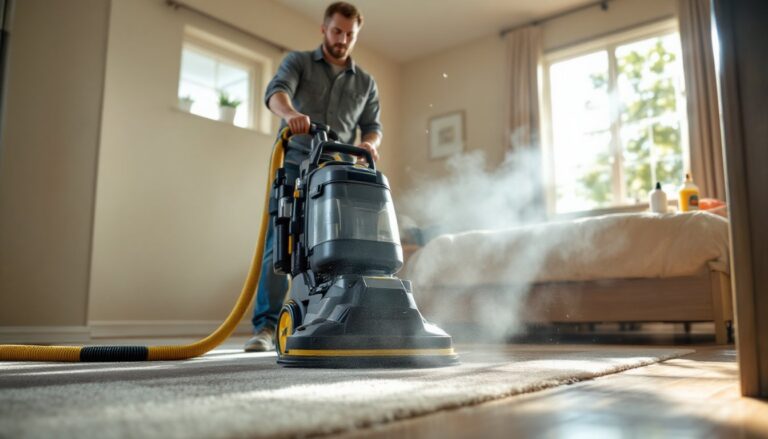
An industrial carpet cleaner, also called a carpet extraction machine or hot water extractor, uses pressurized hot water and cleaning solution to inject deep into carpet fibers, then immediately suction out the dirty water. Unlike a handheld spot cleaner or a dry powder treatment, these machines combine heat, moisture, and suction to lift embedded soil that’s settled below the pile.
You’re looking at machines ranging from 50 to 200+ pounds, most with either a tank-based system or a garden-hose hookup. The key difference from consumer-grade cleaners: industrial rentals heat water to 200°F or higher and pull significantly stronger suction, extracting 80% or more of moisture in a single pass.
When should you rent one? High-traffic hallways, pet accidents, allergy-triggering dust accumulation, or preparing to sell or rent a property are all solid reasons. If you’ve got kids, pets, or anyone with respiratory sensitivity, deep carpet cleaning every 12–18 months can noticeably improve indoor air quality. Renting also makes sense if you have large square footage, 100+ square feet, where spot cleaners would mean multiple fill-and-empty cycles.
When to Rent vs. Hire Professional Cleaners
Renting an industrial carpet cleaner makes financial sense for most homeowners tackling 500 to 1,500 square feet. A weekend rental typically runs $60–$150, depending on machine size and your location. A professional service for the same area usually costs $250–$600 or more.
Hire a pro if you have delicate carpets (silk, wool blends, or antique rugs), structural concerns (stairs with steep angles, multi-level homes where moving equipment becomes hazardous), or severe damage (large stains, backing deterioration, or mold). Professionals carry insurance, understand fiber chemistry, and won’t risk over-wetting or heat damage. They’re also your best bet if you’re renting a property and the lease specifies professional cleaning only.
Rent the machine yourself if your carpet is standard polyester or nylon, the stains are surface-level or light, and you have accessible areas without tight corners or obstacles. You’ll also learn exactly what went into cleaning, helpful if you need to document the work for a security deposit dispute or home sale.
How to Choose the Right Industrial Cleaner for Your Needs
Not all rental carpet cleaners are created equal. Start by visiting rental centers near you, Home Depot, Sunbelt Rentals, or local equipment rental shops typically stock 2–3 models at any given time.
Key Features to Look For
Water temperature: Look for machines that maintain 200°F or higher. Hotter water cuts through oily residue and pet stains better than lukewarm spray. Many industrial rentals include a heating element: confirm the specs before renting.
Suction power and recovery rate: Measured in CFM (cubic feet per minute) or pickup capacity, higher is better. Aim for at least 75–100 CFM. A strong recovery rate means you’ll extract more moisture, reducing drying time and mildew risk. Weak suction leaves carpets soggy for 24+ hours.
Hose and brush head design: Make sure the hose is long enough to reach all areas without dragging heavy equipment across floors. Brush heads vary, dual-jet or triple-jet nozzles clean deeper than single-jet designs. A swivel hose connection is essential to prevent kinks.
Tank capacity: Smaller tanks (5–10 gallons) require frequent refills on larger jobs. A 20-gallon or larger tank saves time. Check whether the cleaner has separate tanks for clean and dirty water or a combination tank.
Portability: Industrial cleaners weigh 50–150 pounds. If you’re cleaning multiple rooms or stairs, verify the unit has a handle, wheels that glide smoothly, and a design that fits doorways without scraping frames. Some rentals include a wheeled dolly for free: ask.
Step-by-Step Guide to Renting and Using an Industrial Carpet Cleaner
Renting the Machine
- Call ahead. Confirm availability at least 1–2 days before you need it. Popular rental centers run out on weekends.
- Specify your carpet type and square footage. Staff will recommend the right size. Mention pet stains or heavy soiling, they may suggest a larger or dual-tank model.
- Ask what’s included. Confirm the rental price covers cleaning solution, attachment heads, hoses, and instructions. Some places charge extra for solution: bring your own eco-friendly or pet-safe detergent if you prefer.
- Rent for a full day or weekend. Weekend rates (Friday evening to Monday morning) often beat daily rates for larger jobs.
- Review the return condition. Rental shops inspect machines for dirt and debris before you leave. They’ll charge a cleaning fee if you return a muddy machine. Rinse out tanks and wipe the exterior before returning.
Using the Cleaner
- Prep the carpet. Vacuum thoroughly to remove loose soil and pet hair. Spot-treat stains with appropriate stain remover (enzyme-based for protein stains, oxygen-based for tannin stains) 30 minutes before cleaning.
- Fill clean water tanks. Use hot water if the machine heats it: cold water if you’re adding heated solution separately. Follow the dilution ratio on your detergent bottle, oversudding reduces drying speed.
- Test on hidden carpet. Run the cleaner in a closet or spare room first. Check for color bleeding, excessive moisture, or unexpected reactions.
- Work in overlapping passes. Start in a corner and work backward toward an exit. Make slow, overlapping strokes, speed is the enemy. Wet passes apply solution: dry passes extract moisture.
- Allow extraction time. After each wet pass, release the trigger briefly to let suction pull water from fibers. Incomplete extraction leaves carpet wet and slows drying.
- Empty dirty water frequently. Full tanks reduce suction efficiency and can spill. Empty when three-quarters full.
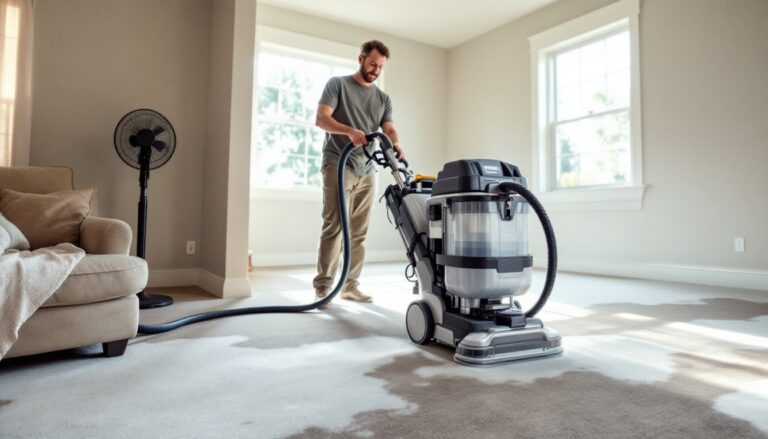
- Manage drying. Turn on ceiling fans, crack windows, or run AC to speed evaporation. Carpets should be dry or mostly dry within 12–24 hours. Faster drying prevents mildew.
For detailed technique and safety tips, resources like how to clean a carpet at home cover proper extractor use. You can also check HomeAdvisor for local rental costs and contractor referrals if you’d rather outsource the work.
Cost Comparison and Money-Saving Tips
Daily rental: $60–$100 for a standard hot-water extractor: premium or larger machines run $100–$150.
Weekend rental: $100–$180, typically offering better value than daily rates.
Professional service: $250–$600+ for typical home (varies by region, carpet condition, and company).
To save money, clean only high-traffic areas or problem zones rather than wall-to-wall carpet. You can also split a rental with a neighbor, each cleaning your own home on the same weekend. Buy your own cleaning solution in bulk instead of renting it through the center: eco-friendly or enzyme-based solutions often cost less per gallon and work just as well. Finally, check whether your homeowner’s insurance or credit card benefits cover carpet cleaning: some policies or premium cards offer reimbursement. Sites like The Spruce offer additional cleaning hacks and product comparisons that may help you decide between DIY and professional options.
Conclusion
Renting an industrial carpet cleaner gives you professional-level cleaning at a DIY price point. With the right machine, proper prep, and patient technique, you’ll lift dirt and odors that vacuums leave behind. Yes, it takes a weekend and some elbow grease, but the results, and your savings, prove worth the effort. Measure twice, rent once, and enjoy a fresher carpet.