






Are you curious about the Pittsburgh real estate market? Well, hold onto your hard hats because this city is on the verge of something great. With fluctuating prices and a shifting landscape, Pittsburgh’s real estate trends are as exciting as a last-minute goal in a Penguins game. Whether you’re a savvy investor or a first-time homebuyer, understanding these trends is crucial. Let’s immerse and explore why Pittsburgh could be your next best investment.
Current Market Overview
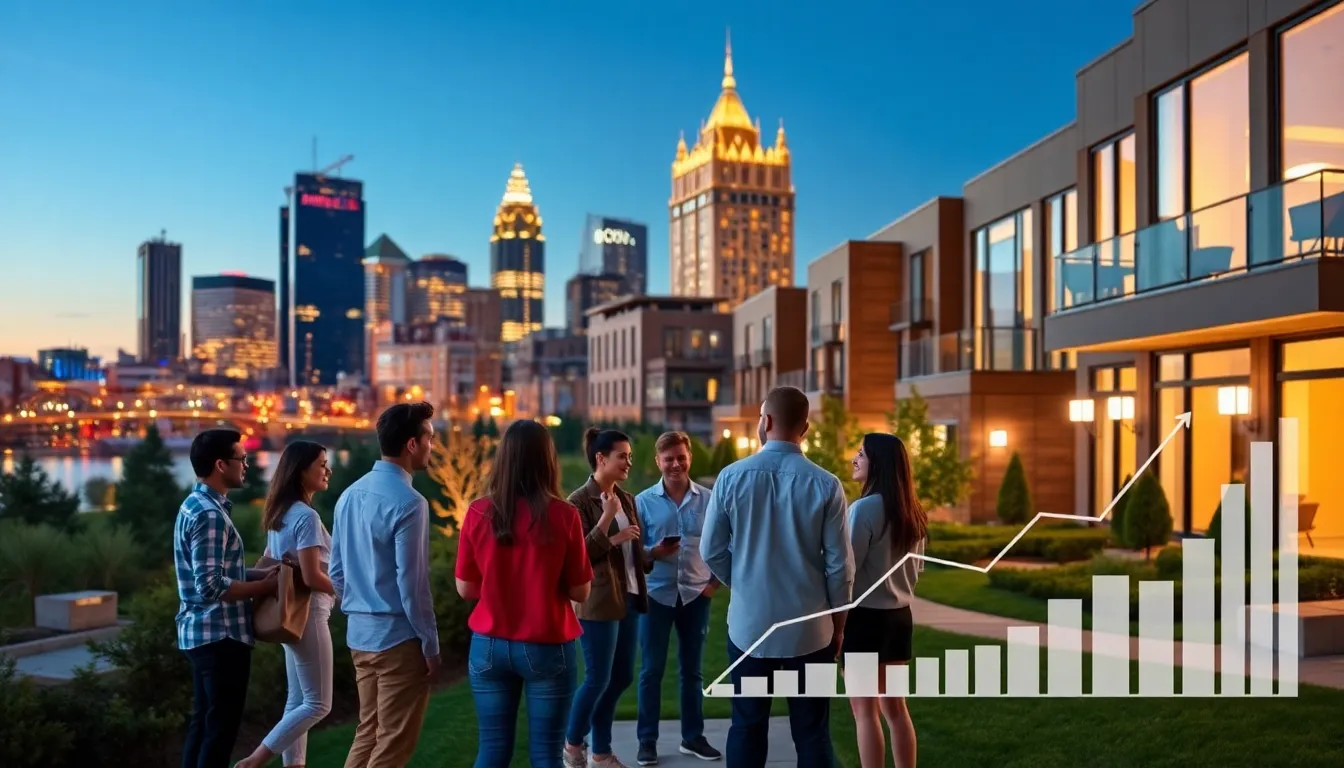
Pittsburgh’s real estate market is currently experiencing an intriguing mix of growth and adjustment. As we move into 2025, the demand for housing continues to rise, driven by an influx of new residents, particularly young professionals and families seeking affordability and quality of life. Prices in desirable areas have seen steady increases, but emerging neighborhoods are beginning to catch up, creating a diverse market landscape.
Also, inventory levels are starting to stabilize after several years of being dangerously low. Sellers are finding their footing, while buyers are experiencing a bit less competition than in previous years. This creates a balanced market that invites potential investors to explore various opportunities without the pressure of a bidding war. A comprehensive understanding of these dynamics will be essential for anyone thinking about buying or selling property in the Steel City.
Residential Real Estate Trends
The residential real estate sector in Pittsburgh shows some fascinating trends. Average home prices have increased significantly over the past year, with some neighborhoods reporting a growth rate of around 8% annually. Buyers are particularly drawn to areas like Lawrenceville and Squirrel Hill, both known for their vibrant communities and easy access to amenities.
Interestingly, many new constructions are emerging, catering to the surge of millennials looking for modern finishes and energy-efficient features. Traditional homes are getting a facelift, too, with renovations becoming more common as homeowners want to capitalize on rising values.
Also, suburban areas are seeing renewed interest. The pandemic shifted how people value space, leading to a notable trend of urban dwellers seeking larger homes outside the city center. This has sparked development in previously overlooked neighborhoods, making them ripe for investment.
Commercial Real Estate Trends
. In the realm of commercial real estate, Pittsburgh is evolving at a fast pace. Office spaces are adapting to the new hybrid work model, causing some businesses to downsize. Flexibility is now a priority, with many companies favoring shorter leases and coworking setups. As a result, commercial vacancies have increased, particularly in downtown areas.
But, there’s a silver lining. With some offices sitting vacant, enterprising developers are transforming these spaces into mixed-use areas that combine retail, dining, and living spaces. These innovative projects foster community engagement while driving economic growth.
Retail spaces are also shifting, with a notable rise in e-commerce-friendly locations. Pittsburgh’s unique position as a hub for logistics means commercial properties in strategic locations are experiencing high demand. So, savvy investors should keep a close eye on how these commercial dynamics unfold.
Impact of Economic Factors on Real Estate
Economic indicators play a pivotal role in shaping Pittsburgh’s real estate trends. The city has seen a resurgence in job growth, particularly in technology and healthcare sectors. This is not just boosting the local economy but also driving housing demand as more workers relocate to the area. Also, the cost of living remains relatively low compared to metropolitan counterparts, attracting a broad spectrum of newcomers.
Interest rates also serve as a double-edged sword. While rising rates can deter some buyers, they simultaneously motivate others to act quickly before rates go even higher. Understanding these economic nuances is essential for anyone looking to navigate the Pittsburgh real estate market effectively.
Neighborhood-Specific Insights
When examining Pittsburgh’s real estate trends, it’s vital to focus on specific neighborhoods. For instance, East Liberty has transformed significantly over the past few years, with new developments bringing in a lively atmosphere. On the other hand, areas like the South Side remain appealing due to their vibrant culture and nightlife, sustaining high property values even though broader market fluctuations.
Also, neighborhoods like Upper Lawrenceville are gaining traction among young families seeking affordable options without sacrificing urban conveniences. Investors should pay attention to these emerging neighborhoods, as they present opportunities for growth and unique residential experiences.
Future Predictions for Pittsburgh Real Estate
Looking ahead, Pittsburgh’s real estate landscape holds great promise. Experts predict continued growth in home values, albeit at a more moderate pace compared to the recent past. As remote work solidifies, suburban appeal will likely rise, pushing new developments and amenities into these areas.
Rejuvenated commercial spaces that cater to evolving work habits will also become increasingly relevant. Besides, developers are expected to focus on sustainability, integrating green practices into future projects as environmental concerns take center stage.
Overall, Pittsburgh stands at an exciting crossroads, and with its solid economic foundations, future real estate trends appear bright.