


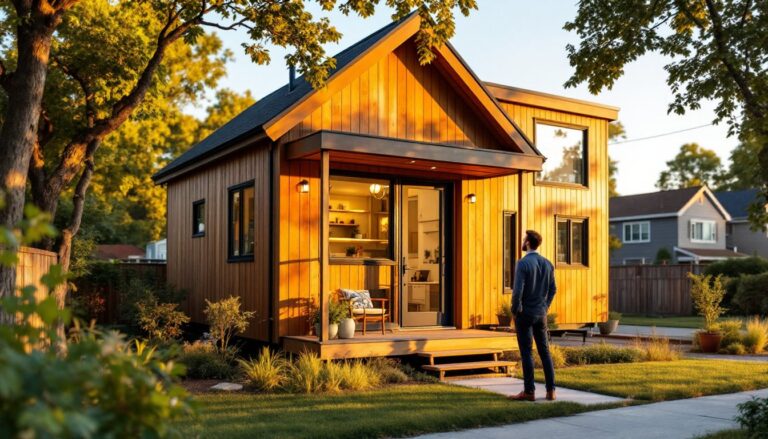




In a world where climate change isn’t just a trendy hashtag but a reality we must address, the spotlight on real estate sustainability trends couldn’t be brighter. Imagine this: homes so green they make Kermit the Frog jealous. But it’s not just about bragging rights or eco-conscious bragging: it’s about creating spaces that benefit both our planet and our wallets. Curious how the real estate industry pivots towards sustainability? Let’s jump into what makes green living the new gold standard in property sales, because who wouldn’t want a house that plays nicely with Mother Earth?
The Importance of Sustainability in Real Estate

Sustainability in real estate isn’t just a buzzword: it’s a critical element that shapes our planet’s future. It involves building properties that minimize environmental impact while maximizing efficiency. Consider this: energy-efficient buildings can cut utility costs and decrease carbon footprints simultaneously. Real estate professionals are realizing that sustainable practices not only appeal to eco-minded buyers but also contribute to long-term value retention. Investing in sustainable development is like planting seeds for a better future. The importance of integrating these practices into the real estate sector goes beyond just financial gain. It represents a commitment to responsible ownership, resource conservation, and community wellness.
Current Trends in Sustainable Building Practices
Sustainable building practices are evolving rapidly. Among the most notable trends is the increased use of recycled materials. Builders are rethinking the traditional approach to construction materials, substituting brick and mortar for salvaged wood or reclaimed stone. Besides, the concept of passive design is gaining traction as architects emphasize energy-efficient landscaping and orientation. Homeowners now desire spaces filled with natural light, reducing reliance on artificial lighting. Another emerging trend is green roofs. These living roofs not only provide insulation but also create habitats for urban wildlife. As communities become more aware of their environmental impact, these innovative practices are soaring in popularity.
Innovative Technologies Driving Sustainability
When it comes to innovative technologies, the real estate market is booming with solutions that promote sustainability. Smart home technology is leading the charge, allowing homebuyers to control energy usage from their smartphones. Imagine adjusting your thermostat while sipping coffee at the café, how convenient. Solar panel technology has also improved significantly, becoming more affordable and efficient than ever. Homeowners can save on energy costs while lowering their carbon footprints. Also, building information modeling (BIM) aids developers in planning resource-efficient buildings right from the start. These technologies ensure that sustainability is integrated into properties, making them not only efficient but also user-friendly.
Regulatory Changes and Incentives for Sustainable Development
Governments and regulatory bodies are taking significant steps to encourage sustainable development. Tax incentives for renewable energy installations, grants for green commercial development, and stricter building codes are part of the changing landscape. Many jurisdictions are now requiring a certain level of energy efficiency in new developments. These regulations ensure that builders prioritize sustainability from the very conception of a project. Plus, numerous cities are rolling out programs that support retrofitting existing structures with energy-saving technologies. Developers who embrace these regulations not only benefit from financial incentives but also position themselves ahead of the competition.
Market Demand for Sustainable Real Estate
Market demand for sustainable real estate is on the rise, and it’s not just a fad. Many buyers are becoming increasingly eco-conscious, seeking homes that align with their values. Research shows that homebuyers are often willing to pay a premium for properties that offer energy efficiency and sustainable features. Plus, commercial spaces that showcase green certifications tend to attract higher occupancy rates and longer lease terms. Investors are starting to realize that sustainability drives profitability, making green real estate more appealing in a crowded market. Essentially, sustainable properties aren’t just good for the planet: they’re profitable ventures that yield substantial returns.
Challenges in Implementing Sustainability Initiatives
Even though the clear benefits, challenges loom in the implementation of sustainability initiatives. One of the most significant obstacles is the upfront capital required for sustainable building practices. Many developers hesitate to invest in energy-efficient technology due to perceived risks and costs. Besides, navigating the regulatory landscape can be daunting. Different jurisdictions have varying sustainable building codes, leaving many developers scrambling to comply. There’s also a skills gap: not every contractor has experience in implementing green technologies. To overcome these challenges, real estate professionals must invest in training and education, while also leveraging available financial supports.
Future Outlook for Real Estate Sustainability
The outlook for real estate sustainability is predominantly positive. As awareness of climate issues intensifies, both consumers and investors are prioritizing sustainability. We may even see the emergence of “net-zero” buildings, structures that produce as much energy as they consume. With technology continuing to advance, the future of sustainable real estate may include more innovative materials, refined construction techniques, and smarter home systems. More cities are adopting ambitious sustainability goals, shaping the market toward lower carbon emissions. In the coming years, it’s highly likely that sustainable practices will shift from being optional to a standard requirement in development.