



Table of Contents
ToggleSecurity camera trailer rentals have become a practical alternative to permanent surveillance systems for homeowners tackling temporary projects, seasonal rentals, or short-term property concerns. Unlike fixed installations that require trenching, drilling into siding, and professional mounting, a rental trailer deploys anywhere on your property, your driveway, construction zone, or vacant lot, with minimal setup. Whether you’re managing a new build, monitoring a vacation property, or securing a rental unit between tenants, security camera trailers offer flexibility that traditional systems simply can’t match. They’re particularly useful for DIY-minded homeowners who want professional-grade monitoring without the long-term commitment or installation headaches.
Key Takeaways
- Security camera trailer rental provides flexible, temporary surveillance for construction projects, seasonal rentals, and short-term property monitoring without permanent installation or building permits.
- Rental trailers typically cost $300–$800 per month, making them 50% cheaper than purchasing and installing a permanent system for short-term needs under six months.
- Choose a security camera trailer based on coverage area, resolution (1080p minimum, 4K for license plate details), night vision capability, and battery/solar power options for your specific project timeline.
- Renting wins over buying for temporary surveillance due to zero installation labor, mobility, and no liability for stranded equipment—but purchasing makes sense only for year-round, permanent surveillance.
- Always confirm liability terms in writing, verify footage legal rights for evidence use, and ensure the trailer is secured with anchoring hardware to mitigate damage or theft risks.
What Is A Security Camera Trailer And Why Homeowners Are Choosing Them
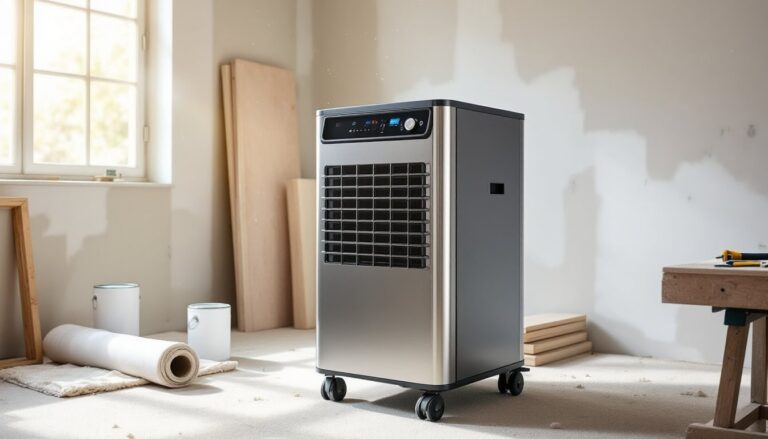
A security camera trailer is a standalone, mobile surveillance unit, essentially a small weather-resistant box or tower mounted on wheels that contains high-resolution cameras, recording equipment, and often battery or solar power systems. It arrives ready to position, typically with no installation required beyond parking it and pointing the cameras where you need them. Unlike hardwired cameras that demand conduit runs, electrical work, and often a permit, these trailers operate independently with cellular or Wi-Fi connectivity for remote viewing.
Homeowners are gravitating toward security camera trailers for one core reason: flexibility without permanence. You rent for the duration you actually need protection, a construction project, a seasonal rental cycle, or the three months before selling. Once the need passes, the trailer goes back. There’s no residual hole in the fascia, no cable runs to hide, no regret about where you drilled. CNET’s reviews of smart home security systems regularly highlight how important positioning is for camera effectiveness: rental trailers let you adjust placement without major rework.
The equipment inside varies by rental company, but you’re typically looking at HD or 4K cameras mounted on a rotating head, sometimes with infrared night vision, cloud storage for footage, and a mobile app for live viewing. Power comes from built-in batteries that charge via plug-in or solar panels, no digging for an outdoor outlet. It’s genuinely plug-and-play once the trailer is positioned.
Key Benefits For Residential Properties And DIY Projects
Flexible Coverage Without Permanent Installation
The biggest draw is adaptability. If you’re overseeing a renovation, you can move the trailer as work progresses, watch the front entrance during foundation repair, then pivot it to the side yard when exterior finishes begin. For property flippers or landlords, repositioning takes seconds instead of the weeks a professional installation demands. You avoid the code headaches too: security camera trailers don’t trigger electrical or building permits in most jurisdictions because they’re self-contained units, though it’s wise to confirm with your local permitting office before renting.
Another major advantage is scope. A typical trailer covers a much wider area than a single fixed camera. Many units feature pan-tilt-zoom heads that let you monitor 360 degrees from your phone. You don’t need multiple cameras, multiple power runs, or multiple points of failure. One trailer can babysit an entire property perimeter, or zoom in on a specific concern like a construction dumpster or parking area.
Cost-Effective Monitoring For Short-Term Needs
Owning a professional-grade security system runs $1,000 to $3,000+ for equipment alone, then labor for installation, plus annual monitoring fees if you choose that route. Rental trailers typically cost $300 to $800 per month depending on camera quality, storage options, and your region. For a three-month project? You’re looking at $900 to $2,400 total, often less than half the cost of buying a system you’ll use only once.
Angi’s project cost guides show that homeowners often underestimate the true cost of professional installation, including permits, conduit, and labor hours. Rental trailers sidestep those expenses entirely. You also skip the maintenance burden: the rental company handles upkeep, ensures the system stays online, and replaces failed cameras during the rental period. Compare that to owning equipment where you’re responsible for troubleshooting, software updates, and repair costs once the warranty expires.
How To Choose The Right Security Camera Trailer For Your Home
Start with coverage area. Measure the perimeter or zone you need to monitor. A typical pan-tilt-zoom camera on a trailer covers 100+ feet in good light: if your property is larger, ask the rental company whether two trailers or a unit with wider-angle lenses makes more sense. Don’t just eyeball it, walk the space and identify your actual concern areas (entry points, parked vehicles, material storage) rather than trying to watch everything at once.
Resolution matters for usable footage. 1080p HD is the baseline for identifying people or vehicles: 4K or higher is better if you need to zoom in later and still read details like license plates or faces. Night vision capability is essential if your property has any low-light hours, look for trailers with infrared LEDs that activate automatically at dusk. A few rental companies now offer trailers with thermal imaging, which is pricier but invaluable if you’re monitoring for intruders or equipment theft in complete darkness.
Battery and power matter too. Solar-capable trailers work best if you’re renting for months and want minimal downtime: standard batteries suit short-term rentals of two to four weeks. Ask about runtime per charge and whether the rental includes a backup power supply. Cloud storage is standard now, but confirm retention (how many days or weeks of footage the company keeps) and whether you can download clips.
Setup and mobility: Ensure the trailer has sturdy locking casters and a weight you can move with a typical truck or a pallet jack if you’re repositioning mid-project. Some trailers are heavier than they look. Confirm the rental includes anchoring hardware or weight bags, leaving a trailer unattended without securing it is a liability risk, and weather can topple an unsecured unit.
Renting Vs. Buying: Which Option Works Best For Homeowners
Renting wins if your need is temporary and mobility matters. You get no wiring headaches, no permits, and you hand it back when you’re done. The math is clear for projects under six months: rental costs less, demands zero installation labor, and removes the risk of stranded equipment if your needs change.
Buying makes sense only if you need year-round, permanent surveillance and you’re willing to invest in professional installation. Tom’s Guide’s home security camera comparisons emphasize that purchased systems deliver better long-term economics and integration with other smart home devices, but that’s for people who know they want security indefinitely. For a flip, a renovation, or monitoring a seasonal rental property, buying is overcomplication and waste.
A hybrid approach exists too: rent for the project timeline, then buy a compact fixed camera system later if permanent coverage becomes important. This lets you learn what coverage actually works for your property without committing upfront.
One key caveat: confirm liability with the rental company. Who’s responsible if the trailer is damaged, stolen, or causes an accident? Get it in writing. Also verify that footage the trailer captures gives you legal rights to use it as evidence, laws vary by state on recording audio and visibility from public roads. Ask the rental company for guidance before signing.
Conclusion
Security camera trailers aren’t a perfect fit for every homeowner, but for temporary surveillance, construction oversight, or short-term property management, they’re a smart, practical choice. They handle the coverage and flexibility that fixed systems can’t, without the installation fuss or long-term commitment. If your surveillance need has an end date, a rental trailer should be your first call, not your backup plan. Measure your coverage, pick the right resolution and power setup, confirm the terms, and let the equipment do the work.